

As a seasoned supplier in the solar backup industry, I often get asked about the installation process of a solar backup battery rack. It's a crucial component for anyone looking to harness the power of solar energy and ensure a reliable backup power source for their home or business. In this blog post, I'll walk you through the step-by-step process of installing a solar backup battery rack, sharing my expertise and industry insights along the way.
Step 1: Planning and Preparation
Before you start the installation process, it's essential to do some thorough planning and preparation. This involves assessing your energy needs, choosing the right location for your battery rack, and gathering all the necessary tools and materials.
Assess Your Energy Needs
The first step is to determine how much energy you need to store in your battery rack. This will depend on a variety of factors, including your average daily energy consumption, the size of your solar panel system, and the length of time you want to be able to rely on your backup power source. You can use an online energy calculator or consult with a professional solar installer to get an accurate estimate of your energy needs.
Choose the Right Location
The location of your battery rack is crucial for its performance and safety. You'll want to choose a location that is well-ventilated, protected from the elements, and easily accessible for maintenance. It's also important to ensure that the location is close to your solar panel system and your electrical panel to minimize the length of the wiring.
Gather the Necessary Tools and Materials
Once you've determined your energy needs and chosen the right location for your battery rack, it's time to gather all the necessary tools and materials. This may include a drill, screwdriver, wrenches, wire cutters, electrical tape, and of course, the battery rack itself. You'll also need to purchase the appropriate batteries for your system, which will depend on your energy needs and the type of battery rack you've chosen.
Step 2: Install the Battery Rack
Now that you've completed the planning and preparation phase, it's time to start installing the battery rack. This involves mounting the rack to the wall or floor, connecting the batteries, and wiring the system to your solar panel system and electrical panel.
Mount the Rack
The first step is to mount the battery rack to the wall or floor. This will depend on the type of rack you've chosen and the location you've selected. If you're mounting the rack to the wall, you'll need to use a drill to create holes in the wall and then use screws to secure the rack to the wall. If you're mounting the rack to the floor, you'll need to use bolts to secure the rack to the floor.
Connect the Batteries
Once the rack is mounted, it's time to connect the batteries. This involves connecting the positive and negative terminals of each battery to the corresponding terminals on the rack. It's important to follow the manufacturer's instructions carefully when connecting the batteries to ensure that they are connected correctly and safely.
Wire the System
After the batteries are connected, it's time to wire the system to your solar panel system and electrical panel. This involves running the appropriate wires from the battery rack to the solar panel system and the electrical panel. It's important to use the correct gauge of wire and to follow the electrical code when wiring the system to ensure that it is safe and reliable.
Step 3: Test the System
Once the battery rack is installed and wired, it's time to test the system to ensure that it is working properly. This involves checking the voltage and current of the batteries, testing the charging and discharging functions of the system, and verifying that the system is connected to your solar panel system and electrical panel.
Check the Voltage and Current
The first step is to check the voltage and current of the batteries. You can use a multimeter to measure the voltage and current of each battery to ensure that they are within the manufacturer's specifications. If the voltage or current is too high or too low, you may need to adjust the charging or discharging settings of the system.
Test the Charging and Discharging Functions
Next, you'll want to test the charging and discharging functions of the system. This involves connecting the system to your solar panel system and allowing it to charge the batteries. You can then disconnect the system from the solar panel system and use a load to discharge the batteries. It's important to monitor the charging and discharging process to ensure that the system is working properly.
Verify the Connection to Your Solar Panel System and Electrical Panel
Finally, you'll want to verify that the system is connected to your solar panel system and electrical panel. You can use a voltage tester to check the voltage at the solar panel system and the electrical panel to ensure that they are connected correctly. If the voltage is too low or too high, you may need to adjust the wiring or the settings of the system.
Step 4: Maintenance and Monitoring
Once the system is installed and tested, it's important to perform regular maintenance and monitoring to ensure that it continues to work properly. This involves checking the batteries regularly for signs of wear and tear, cleaning the system periodically, and monitoring the performance of the system to ensure that it is meeting your energy needs.
Check the Batteries Regularly
The batteries are the most important component of your solar backup system, so it's important to check them regularly for signs of wear and tear. This may include checking the voltage and current of the batteries, inspecting the terminals for corrosion, and looking for any signs of damage or leakage. If you notice any problems with the batteries, you should replace them immediately to ensure the safety and reliability of your system.
Clean the System Periodically
In addition to checking the batteries regularly, it's also important to clean the system periodically to remove any dirt, dust, or debris that may accumulate on the batteries or the rack. You can use a soft brush or a damp cloth to clean the system, but be sure to avoid using any abrasive materials or chemicals that may damage the batteries or the rack.
Monitor the Performance of the System
Finally, it's important to monitor the performance of the system to ensure that it is meeting your energy needs. You can use a monitoring system to track the charging and discharging functions of the system, as well as the voltage and current of the batteries. This will allow you to identify any problems or issues with the system early on and take corrective action before they become more serious.
Conclusion
Installing a solar backup battery rack is a complex process that requires careful planning, preparation, and installation. However, with the right tools, materials, and expertise, it's a project that can be completed by anyone with a basic understanding of electrical systems. By following the steps outlined in this blog post, you can ensure that your solar backup system is installed correctly and safely, and that it provides you with a reliable backup power source for years to come.

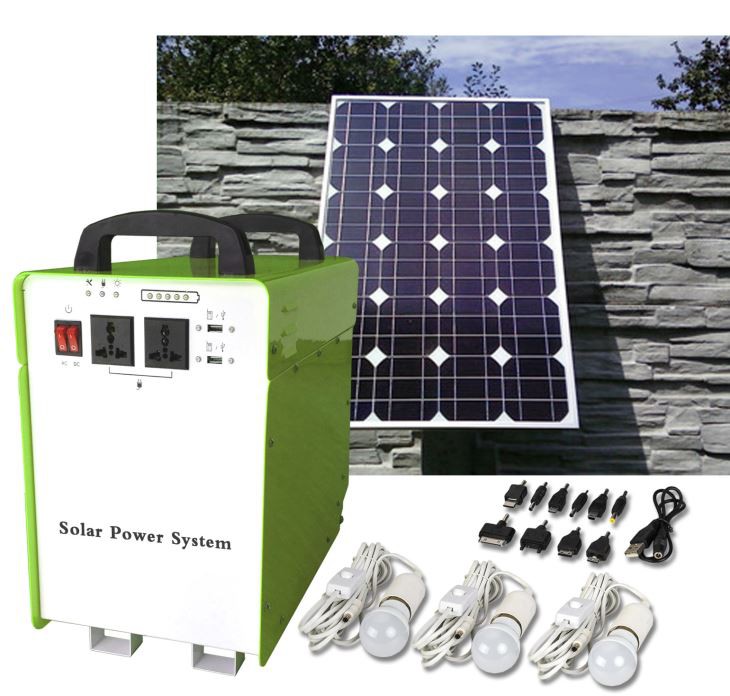
If you're interested in learning more about our Portable Solar Power System or Home Solar Generator, or if you have any questions about the installation process, please don't hesitate to contact us. We'd be happy to help you find the right solution for your energy needs and guide you through the installation process.
References
- Solar Energy Industries Association (SEIA). (n.d.). Solar 101: How Solar Works. Retrieved from [SEIA Website]
- National Renewable Energy Laboratory (NREL). (n.d.). Battery Storage for Solar Energy Systems. Retrieved from [NREL Website]
- Electrical Safety Foundation International (ESFI). (n.d.). Electrical Safety Tips for Solar Power Systems. Retrieved from [ESFI Website]