

As a reputable solar power system supplier, I understand the importance of monitoring the performance of solar power systems. It's not just about ensuring that the system is running efficiently; it's also about maximizing energy production, detecting potential issues early, and ultimately providing our customers with the best return on their investment. In this blog post, I'll share some insights on how I monitor the performance of solar power systems and why it matters.
Understanding the Basics of Solar Power System Performance
Before delving into the monitoring process, it's essential to understand the key metrics that define the performance of a solar power system. The primary goal of any solar power system is to convert sunlight into electricity as efficiently as possible. The performance of a solar power system is typically measured in terms of energy production, efficiency, and reliability.
- Energy Production: This is the amount of electricity generated by the solar power system over a specific period. It is usually measured in kilowatt-hours (kWh). The energy production of a solar power system depends on several factors, including the size of the system, the efficiency of the solar panels, the amount of sunlight received, and the orientation and tilt of the panels.
- Efficiency: Efficiency refers to the percentage of sunlight that is converted into electricity by the solar panels. A higher efficiency means that the solar panels can generate more electricity from the same amount of sunlight. The efficiency of solar panels can vary depending on the type of panel, the quality of the materials used, and the manufacturing process.
- Reliability: Reliability is the ability of the solar power system to operate consistently and without interruption. A reliable solar power system will have a low failure rate and require minimal maintenance. The reliability of a solar power system depends on the quality of the components used, the installation process, and the environmental conditions.
Monitoring Tools and Techniques
To monitor the performance of solar power systems, I use a combination of monitoring tools and techniques. These tools and techniques allow me to track the energy production, efficiency, and reliability of the system in real-time and identify any potential issues before they become major problems.
- Data Loggers: Data loggers are devices that collect and record data from the solar power system. They can measure various parameters, such as the voltage, current, and power output of the solar panels, the temperature of the panels, and the amount of sunlight received. Data loggers can be connected to a computer or a mobile device, allowing me to access the data remotely and analyze it in real-time.
- Monitoring Software: Monitoring software is a program that analyzes the data collected by the data loggers and provides detailed reports on the performance of the solar power system. The software can generate graphs and charts that show the energy production, efficiency, and reliability of the system over time. It can also alert me to any potential issues, such as a drop in energy production or a rise in temperature.
- Remote Monitoring Systems: Remote monitoring systems allow me to monitor the performance of the solar power system from anywhere in the world. These systems use a combination of sensors, data loggers, and communication technologies to transmit data from the system to a central server. I can access the data on the server using a web browser or a mobile app, allowing me to monitor the system in real-time and make informed decisions about its operation.
- Visual Inspections: In addition to using monitoring tools and techniques, I also conduct regular visual inspections of the solar power system. During these inspections, I check the condition of the solar panels, the wiring, and the other components of the system. I look for signs of damage, such as cracks in the panels or loose connections, and make any necessary repairs or replacements.
Benefits of Monitoring Solar Power System Performance
Monitoring the performance of solar power systems offers several benefits for both the solar power system supplier and the customer.
- Maximizing Energy Production: By monitoring the energy production of the solar power system, I can identify any factors that may be affecting its performance and take steps to optimize it. For example, if I notice that the energy production is lower than expected, I can check the orientation and tilt of the panels, clean the panels, or adjust the settings of the inverter.
- Detecting Potential Issues Early: Monitoring the performance of the solar power system allows me to detect any potential issues early, before they become major problems. For example, if I notice a drop in energy production or a rise in temperature, I can investigate the cause of the problem and take steps to fix it before it causes damage to the system.
- Improving System Reliability: By monitoring the performance of the solar power system, I can identify any components that may be prone to failure and replace them before they cause an outage. This helps to improve the reliability of the system and reduce the downtime.
- Providing Better Customer Service: By monitoring the performance of the solar power system, I can provide my customers with detailed reports on the energy production, efficiency, and reliability of their system. This helps to build trust and confidence with my customers and provides them with the information they need to make informed decisions about their energy usage.
Importance of Regular Maintenance
In addition to monitoring the performance of the solar power system, regular maintenance is also essential to ensure its long-term reliability and efficiency. Regular maintenance includes tasks such as cleaning the solar panels, checking the wiring and connections, and inspecting the inverter and other components of the system.

- Cleaning the Solar Panels: Over time, dirt, dust, and other debris can accumulate on the surface of the solar panels, reducing their efficiency. Cleaning the panels regularly helps to remove this debris and ensure that the panels are operating at their maximum efficiency.
- Checking the Wiring and Connections: The wiring and connections in the solar power system can become loose or damaged over time, which can affect the performance of the system. Checking the wiring and connections regularly helps to ensure that they are secure and functioning properly.
- Inspecting the Inverter and Other Components: The inverter is the most critical component of the solar power system, as it converts the DC electricity generated by the solar panels into AC electricity that can be used in the home or business. Inspecting the inverter and other components of the system regularly helps to ensure that they are operating properly and that there are no signs of damage or wear.
Conclusion
Monitoring the performance of solar power systems is essential for ensuring their efficiency, reliability, and long-term performance. By using a combination of monitoring tools and techniques, conducting regular visual inspections, and performing regular maintenance, I can provide my customers with the best possible service and help them to maximize the benefits of their solar power system.
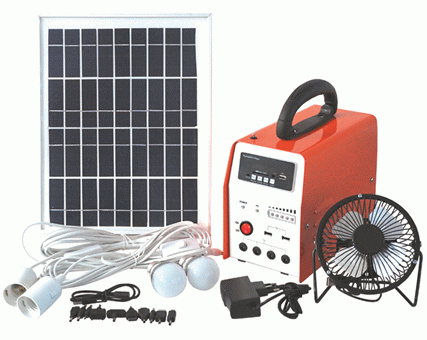
If you're interested in learning more about our Solar Linghting System, Home Solar Light Kit, or Solar Lighting System w/Radio, or if you have any questions about monitoring the performance of your solar power system, please don't hesitate to contact me. I'd be happy to discuss your needs and provide you with a customized solution that meets your requirements.
References
- Duffie, J. A., & Beckman, W. A. (2013). Solar engineering of thermal processes. John Wiley & Sons.
- Luque, A., & Hegedus, S. (2011). Handbook of photovoltaic science and engineering. John Wiley & Sons.
- Myers, D. R. (2007). Photovoltaic systems engineering. Taylor & Francis.