

Optimizing the energy production of solar panels is crucial for maximizing the return on investment and ensuring a sustainable energy source. As a supplier at Buy Solar, I've had the opportunity to work closely with customers to help them achieve the best possible performance from their solar panel systems. In this blog post, I'll share some key strategies and considerations to optimize the energy production of the solar panels you purchase.
1. Site Selection and Orientation
The first step in optimizing solar panel energy production is choosing the right location for installation. Solar panels perform best when they receive direct sunlight for the majority of the day. South-facing roofs or open areas with minimal shading are ideal in the Northern Hemisphere, while north-facing orientations are preferred in the Southern Hemisphere.
It's important to assess the site for potential shading sources, such as nearby trees, buildings, or other structures. Even partial shading can significantly reduce the efficiency of solar panels. For example, a single shaded cell in a panel can cause a chain reaction that reduces the output of the entire panel. Therefore, it's essential to trim trees or adjust the panel layout to avoid shading.
2. Panel Quality and Type
Investing in high-quality solar panels is a critical factor in optimizing energy production. There are several types of solar panels available on the market, each with its own advantages and disadvantages. Monocrystalline panels are known for their high efficiency and durability, making them a popular choice for residential and commercial installations. Polycrystalline panels are more affordable but slightly less efficient. Thin-film panels are lightweight and flexible, making them suitable for certain applications, but they generally have lower efficiency compared to crystalline panels.
When selecting solar panels, consider factors such as efficiency, durability, warranty, and cost. Look for panels that have been tested and certified by reputable organizations, such as the International Electrotechnical Commission (IEC) or Underwriters Laboratories (UL). High-quality panels will not only produce more energy but also last longer, providing a better return on investment over the life of the system.
3. Inverter Selection
The inverter is an essential component of a solar panel system that converts the direct current (DC) electricity produced by the panels into alternating current (AC) electricity that can be used in your home or business. Choosing the right inverter is crucial for optimizing energy production and ensuring the efficient operation of your solar panel system.
There are several types of inverters available, including string inverters, microinverters, and power optimizers. String inverters are the most common type and are suitable for most residential and commercial installations. They are cost-effective and easy to install but can be affected by shading or panel mismatch. Microinverters are installed on each individual solar panel, allowing each panel to operate independently. This eliminates the impact of shading and panel mismatch, resulting in higher energy production. Power optimizers are similar to microinverters but are installed at the module level and work in conjunction with a string inverter.
When selecting an inverter, consider factors such as efficiency, reliability, warranty, and compatibility with your solar panel system. Look for inverters that have a high efficiency rating and are designed to work with your specific type of solar panels.
4. System Sizing
Proper system sizing is essential for optimizing energy production and ensuring that your solar panel system meets your energy needs. A system that is too small will not produce enough energy to meet your demand, while a system that is too large will be more expensive and may not be fully utilized.
To determine the appropriate system size, consider factors such as your energy consumption, available roof space, and local solar resources. You can use online solar calculators or consult with a professional solar installer to estimate the size of the system you need. It's also important to consider future energy needs and potential growth when sizing your system.

5. Maintenance and Monitoring
Regular maintenance and monitoring are essential for optimizing the energy production of your solar panel system. Solar panels are generally low-maintenance, but they do require occasional cleaning to remove dirt, dust, and debris that can reduce their efficiency. You can clean your solar panels with a soft brush or a hose, but be sure to follow the manufacturer's instructions to avoid damaging the panels.
In addition to cleaning, it's important to monitor the performance of your solar panel system regularly. Most solar panel systems come with a monitoring system that allows you to track the energy production of your panels in real-time. By monitoring your system, you can identify any issues or problems early on and take corrective action to ensure optimal performance.
6. Energy Storage
Energy storage is becoming an increasingly important component of solar panel systems, especially for off-grid or hybrid systems. By storing excess energy produced by your solar panels during the day, you can use it at night or during periods of low sunlight. This allows you to maximize the use of your solar energy and reduce your reliance on the grid.
There are several types of energy storage systems available, including batteries, flywheels, and pumped hydro storage. Batteries are the most common type of energy storage system for solar panel systems and are available in a variety of sizes and chemistries. Lead-acid batteries are the most affordable and widely used type, but they have a limited lifespan and require regular maintenance. Lithium-ion batteries are more expensive but have a longer lifespan, higher energy density, and require less maintenance.
When considering energy storage, it's important to evaluate your energy needs, budget, and available space. You can also consult with a professional solar installer to determine the best energy storage solution for your specific application.
7. Upgrades and Additions
As technology advances and your energy needs change, you may want to consider upgrading or adding to your solar panel system. Upgrading your solar panels to more efficient models or adding additional panels can increase the energy production of your system and provide a better return on investment.
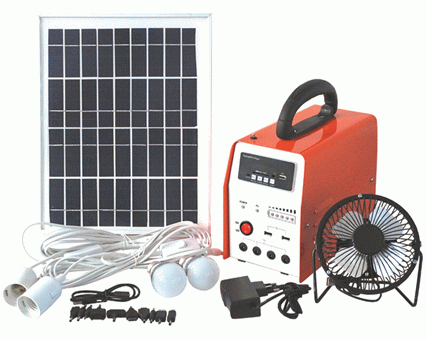
You can also consider adding other components to your solar panel system, such as a Solar Lighting System w/Radio, a Solar Lead Acid Deep Cycle Battery 12V120ah for off-Grid System, or a 5KW Uninterrupted Solar Power System. These components can enhance the functionality and efficiency of your solar panel system and provide additional benefits, such as backup power or lighting.
Conclusion
Optimizing the energy production of your solar panels requires careful planning, proper installation, and regular maintenance. By following the strategies and considerations outlined in this blog post, you can maximize the performance of your solar panel system and ensure a sustainable energy source for your home or business.
If you're interested in purchasing solar panels or optimizing the energy production of your existing system, I encourage you to contact us for more information. Our team of experts can help you select the right solar panel system for your needs and provide you with the support and guidance you need to ensure its successful installation and operation.
References
- Duffie, J. A., & Beckman, W. A. (2013). Solar Engineering of Thermal Processes. Wiley.
- Gilman, P., & Marnay, C. (2013). Distributed Energy Resources: Planning and Evaluation. Wiley.
- Sioshansi, R. (Ed.). (2012). Competitive Electricity Markets: Design, Implementation, and Performance. Wiley.