

Yo, what's up! I'm a provider of Pay - As - You - Go (PAYG) solutions, and I'm here to break down how PAYG works for subscription - based businesses. It's a pretty cool model that's been gaining a lot of traction lately, so let's dig in.
The Basics of PAYG
First off, PAYG is all about flexibility. Instead of shelling out a big chunk of cash upfront for a product or service, customers pay as they use it. This is a game - changer for subscription - based businesses because it removes a major barrier to entry for potential customers. Think about it. If you're a small business or an individual on a tight budget, paying a large sum at once can be a real deal - breaker. But with PAYG, you only pay for what you need, when you need it.
Let's say you're running a software subscription business. Traditionally, customers would have to pay a monthly or annual fee to use your software. But with PAYG, they can pay based on the number of times they access the software, the features they use, or the amount of data they process. This means that customers can start using your product without a huge financial commitment, and you can attract a wider range of customers.
How PAYG Benefits Subscription - Based Businesses
One of the biggest advantages for subscription - based businesses is the ability to increase customer acquisition. As I mentioned earlier, the low upfront cost makes it easier for new customers to try out your product or service. Once they see the value, they're more likely to stick around and become long - term subscribers.
Another benefit is improved cash flow. With PAYG, you receive payments more frequently, which can help you manage your finances better. Instead of waiting for a large annual payment, you get a steady stream of income as customers use your product. This can be especially helpful for small businesses that need to keep the lights on and pay their bills.

PAYG also allows for better customer retention. Since customers are only paying for what they use, they're less likely to feel like they're wasting money. This can lead to higher satisfaction levels and a lower churn rate. When customers are happy, they're more likely to recommend your business to others, which can lead to even more growth.
How PAYG Works in Practice
So, how does it all work? Well, it starts with setting up a payment system. As a PAYG provider, I help businesses integrate a payment gateway that can handle real - time transactions. This gateway is connected to the product or service, so it can track usage and charge customers accordingly.
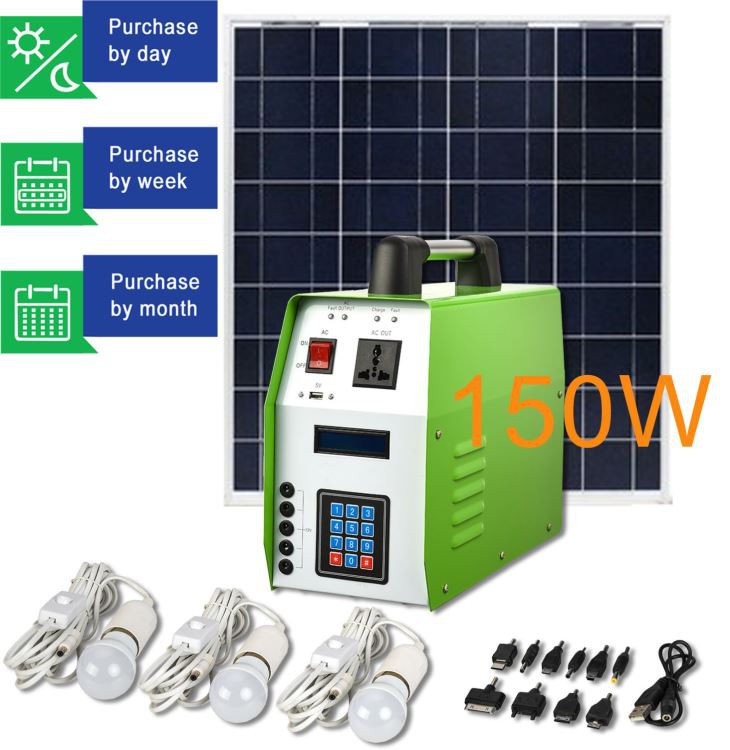
For example, let's take a look at some of the solar power systems I offer. I have a Pay as You Go Portable Solar Power System, a Pay as You Go Solar Lighting System, and a Pay as You Go Home Solar Power System. These systems are equipped with sensors that monitor the amount of energy used. When a customer uses the solar power, the system records the usage and sends a signal to the payment gateway.

The customer can then pay for the energy used through various payment methods, such as mobile money, credit cards, or bank transfers. The payment is processed in real - time, and the customer's account is updated immediately. This means that the customer can keep using the solar power as long as they have enough credit in their account.
Challenges and Solutions
Of course, like any business model, PAYG has its challenges. One of the biggest challenges is managing fraud. Since payments are made in real - time, there's a risk of unauthorized transactions. To address this, I work with businesses to implement fraud detection and prevention measures. This includes using advanced algorithms to analyze transaction patterns and flag any suspicious activity.
Another challenge is ensuring that customers understand how the PAYG system works. Some customers may be used to traditional subscription models and may find the PAYG model confusing. To overcome this, I provide clear and easy - to - understand documentation and customer support. I also offer training and onboarding sessions to help customers get up to speed.
Pricing Strategies for PAYG
Pricing is a crucial aspect of the PAYG model. You need to find the right balance between making a profit and offering a competitive price. One common approach is to set a base price for the product or service, and then charge an additional fee based on usage. For example, a software company might charge a monthly fee for basic access to the software, and then charge extra for each additional user or feature.
Another strategy is to offer different pricing tiers. This allows customers to choose the plan that best suits their needs and budget. For example, a solar power provider might offer a low - cost plan for customers who only need a small amount of energy, and a premium plan for customers who need more power.
The Future of PAYG for Subscription - Based Businesses
The future looks bright for PAYG in the subscription - based business world. As more and more consumers look for flexible and affordable payment options, the demand for PAYG is only going to increase. Technology is also making it easier to implement and manage PAYG systems, which means that more businesses will be able to offer this payment model.

In addition, the PAYG model is well - suited for the sharing economy and the gig economy. For example, a rideshare company could use PAYG to charge customers based on the distance traveled or the time spent in the vehicle. This would make it more convenient for both the company and the customers.
Let's Talk Business
If you're a subscription - based business looking to implement a PAYG system, I'd love to chat. Whether you're in the software industry, the energy sector, or any other field, I have the expertise and the solutions to help you make the most of the PAYG model. Contact me to start a conversation about how we can work together to take your business to the next level.
References
- "The Rise of Pay - As - You - Go Models in the Digital Economy" - Journal of Business Innovation
- "PAYG: A New Paradigm for Subscription - Based Businesses" - Harvard Business Review
- "Managing PAYG Systems: Best Practices and Challenges" - International Journal of Payment Systems