

Is the PAYG price higher than the regular tariff?
As a provider of Pay - as - You - Go (PAYG) energy solutions, I often encounter the question: "Is the PAYG price higher than the regular tariff?" This is a valid concern, especially for consumers who are on a tight budget and are looking for the most cost - effective energy option. In this blog, I will delve into this topic, exploring the factors that influence PAYG prices and comparing them with regular tariffs.

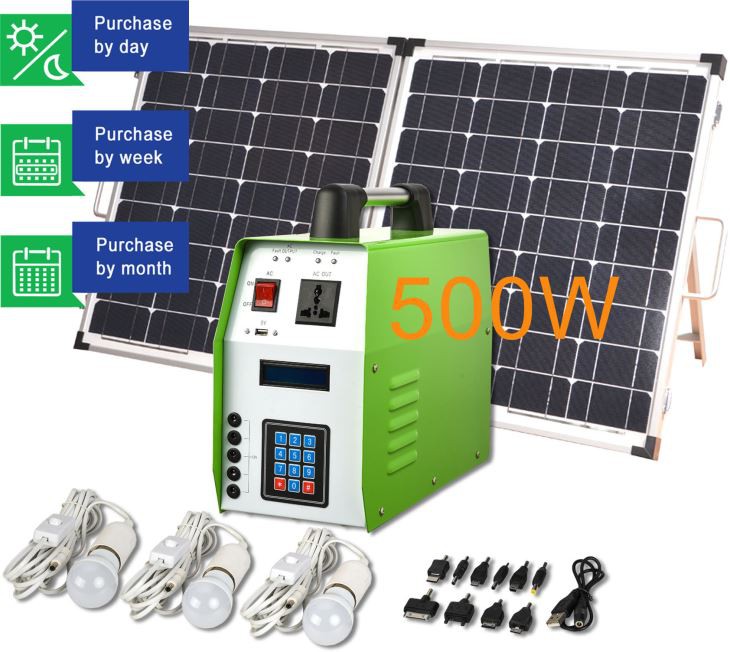
Firstly, let's understand what PAYG is. PAYG is a payment model that allows consumers to pay for energy as they use it, typically through a mobile money platform or prepaid card. This model is particularly popular in regions where access to traditional grid - based electricity is limited or unreliable. There are different types of PAYG solar power systems available in the market, such as the Pay as You Go Solar Lighting System, Pay as You Go Home Solar Power System, and Pay as You Go Portable Solar Power System.
One of the main reasons why some people perceive PAYG prices to be higher than regular tariffs is the upfront cost structure. With a regular tariff, consumers usually pay a fixed monthly or quarterly bill based on their energy consumption. In contrast, PAYG systems often require an initial deposit or a series of small payments to start using the service. This initial outlay can seem high, especially when compared to the relatively low - entry barrier of a regular tariff. However, it's important to note that the PAYG model is designed to be more accessible to low - income consumers who may not have the financial means to pay for a large - scale solar installation upfront.
Another factor to consider is the cost of infrastructure and maintenance. Regular tariffs are often subsidized by governments or large utility companies, which can afford to invest in large - scale power generation and distribution infrastructure. On the other hand, PAYG providers have to cover the cost of installing and maintaining individual solar systems, which can be more expensive on a per - unit basis. Additionally, PAYG systems often come with built - in monitoring and control features, which require additional investment in technology and personnel. These costs are factored into the PAYG price.
However, when we look at the long - term cost, the picture becomes more complex. In many cases, regular tariffs can be subject to price fluctuations due to changes in fuel prices, government policies, and inflation. PAYG prices, on the other hand, are often more stable. Once a consumer has paid off the initial cost of the PAYG system, the cost per unit of energy can be relatively low. Moreover, PAYG systems offer consumers the flexibility to adjust their energy consumption based on their needs and budget. They can choose to pay for only the amount of energy they need, which can lead to significant savings in the long run.
Let's also consider the value - added services that come with PAYG systems. Many PAYG providers offer customer support, system maintenance, and replacement services as part of the package. These services can be invaluable, especially in areas where access to technical expertise is limited. In addition, PAYG systems can provide a reliable source of energy, which can have a positive impact on a household's productivity and quality of life. For example, having access to reliable lighting can allow children to study at night, and businesses can operate more efficiently.
In some regions, the comparison between PAYG prices and regular tariffs is not straightforward because there may not be a reliable regular tariff option available. In rural areas, for instance, the cost of extending the grid can be prohibitively high, and the quality of service may be poor. In such cases, PAYG systems can offer a more cost - effective and reliable alternative.
To further illustrate the point, let's look at some real - world examples. In sub - Saharan Africa, where a large portion of the population lacks access to grid - based electricity, PAYG solar systems have become increasingly popular. A study by a leading energy research firm found that in some areas, the cost of using a PAYG solar home system was comparable to or even lower than the cost of using traditional sources of energy such as kerosene lamps and diesel generators. This is because PAYG systems are more energy - efficient and do not require the ongoing purchase of expensive fuels.
In conclusion, while it may seem that PAYG prices are higher than regular tariffs at first glance, a more in - depth analysis reveals that the comparison is not so simple. The upfront cost, infrastructure and maintenance expenses, long - term cost stability, value - added services, and the availability of regular tariff options all play a role in determining the cost - effectiveness of PAYG systems.
If you are interested in learning more about our PAYG energy solutions or are considering making a purchase, I encourage you to reach out to us for a detailed discussion. We can provide you with a customized quote based on your specific energy needs and budget. Our team of experts is ready to assist you in making an informed decision.
References
- Energy Research Institute. "Cost - Benefit Analysis of PAYG Solar Systems in Developing Regions." 20XX.
- World Bank Report on Energy Access in Rural Areas. 20XX.
- Industry Report on the Growth of PAYG Energy Solutions in Africa. 20XX.