

Hey there! I'm a supplier of PAYG (Pay As You Go) solar systems, and let me tell you, trying to implement these systems in rural areas comes with its fair share of challenges. In this blog, I'll break down some of the major hurdles we face and how we're trying to overcome them.
Infrastructure Limitations
One of the biggest challenges we encounter in rural areas is the lack of proper infrastructure. Rural regions often have poor or non - existent road networks. This makes it difficult for us to transport the solar panels, batteries, and other components of our Pay as You Go Home Solar Power System to the end - users. You know, these parts are often bulky and fragile, and rough roads can cause a lot of damage during transit.
Moreover, the unreliable power grid in rural areas can be a real pain. Our PAYG solar systems are designed to work independently, but sometimes, we need to charge the batteries or test the systems using the grid during installation. With an inconsistent power supply, this becomes a hassle. We might have to wait for hours or even days for a stable power source to complete the setup.
Another aspect of infrastructure is the lack of proper communication networks. Our PAYG systems rely on mobile technology for customers to make payments and for us to monitor the usage. In areas with poor network coverage, customers find it difficult to recharge their systems, and we can't keep track of how the systems are performing. This leads to a lot of inconvenience for both the customers and us.
Low Income and Financial Literacy
Rural communities generally have lower incomes compared to urban areas. While our PAYG solar systems are a great long - term investment as they save on fuel costs for traditional lighting and charging devices, the upfront cost can still be a deterrent. Even though the pay - as - you - go model allows customers to pay in small installments, many rural residents struggle to come up with even the initial payment.
Financial literacy is also a major issue. A lot of people in rural areas are not familiar with modern financial concepts, especially mobile money and online payments. They might be hesitant to use these methods to pay for our solar systems. We've had cases where customers are afraid of losing their money or getting scammed, even though our payment systems are secure. This lack of understanding makes it difficult for us to convince them to invest in our Pay as You Go Portable Solar Power System.
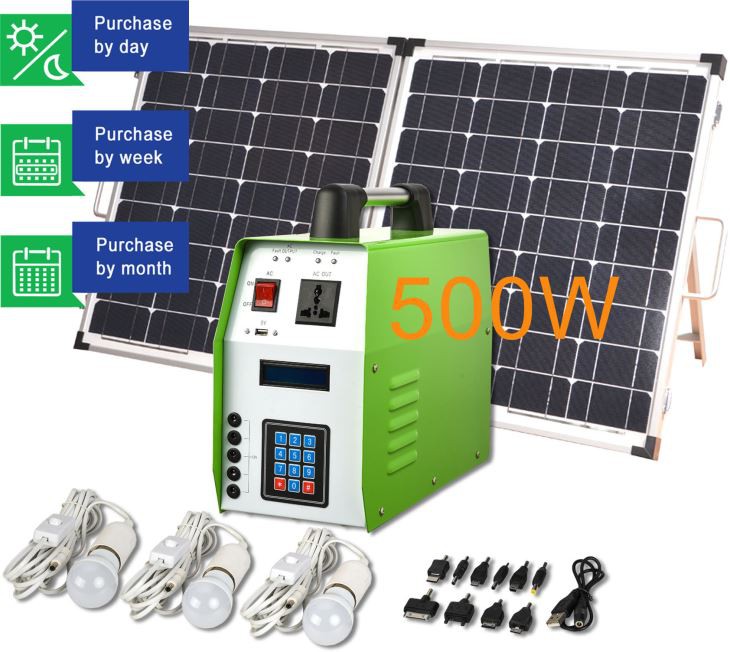
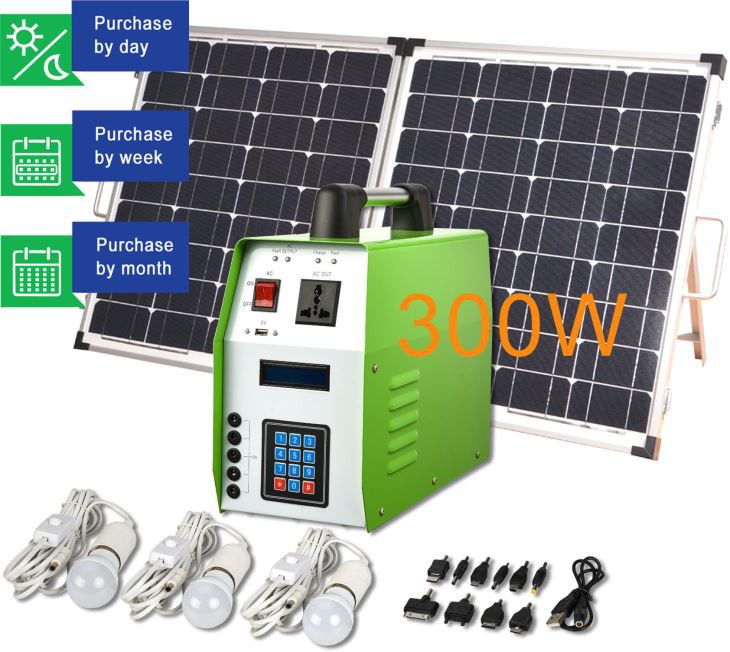
To address this, we've been trying to educate the community about the benefits of our systems and how the payment process works. We conduct workshops and training sessions to teach them about mobile money and the long - term savings they can achieve with our solar systems. But it's a slow process, and we still have a long way to go.
Cultural and Social Barriers
Culture plays a big role in rural areas, and sometimes, it can get in the way of implementing our PAYG solar systems. Some communities have traditional beliefs and practices that are resistant to change. For example, in some places, people are used to using traditional lighting sources like kerosene lamps, and they see no reason to switch to solar. They might think that the new technology is too complicated or that it goes against their cultural norms.
Social factors also come into play. In rural communities, decisions are often made at the community level rather than individually. If the community leaders or a majority of the members are not in favor of our solar systems, it becomes very difficult to penetrate the market. We have to spend a lot of time building relationships with the community, explaining the benefits of our systems, and getting their buy - in.
Technical Support and Maintenance
Providing technical support in rural areas is a challenge. Our PAYG solar systems are relatively simple to use, but like any technology, they can sometimes face problems. When there's an issue, it can take us a long time to reach the customer due to the poor road infrastructure I mentioned earlier. This means that the customer has to go without power for an extended period, which is not good for our reputation.
Maintenance is also a concern. The harsh environmental conditions in rural areas, such as dust, heat, and humidity, can take a toll on the solar panels and batteries. Without proper maintenance, the lifespan of the systems can be reduced. However, finding trained technicians in rural areas is not easy. We often have to send our technicians from urban centers, which is costly and time - consuming.
Regulatory and Policy Challenges
The regulatory environment in rural areas can be complex and inconsistent. There are sometimes unclear regulations regarding the installation and use of solar systems. We might need to obtain multiple permits from different local authorities, and the process can be very bureaucratic. This delays the installation of our systems and adds to the overall cost.
In addition, there are no clear incentives or subsidies for renewable energy in many rural areas. While the government might be promoting solar energy at a national level, the implementation at the local level is often lacking. This makes it difficult for us to offer our systems at more affordable prices and for rural communities to adopt them more easily.
Overcoming the Challenges
Despite these challenges, we're not giving up. We're constantly looking for ways to make our PAYG solar systems more accessible and affordable for rural communities. For the infrastructure issues, we're working on partnerships with local logistics companies to improve the transportation of our systems. We're also exploring alternative ways to charge the batteries, such as using generators during installation in areas with no grid access.
To address the low - income and financial literacy problems, we're collaborating with micro - finance institutions to offer more flexible payment plans. We're also working on simplifying our payment processes and providing more hands - on training to customers.
Regarding cultural and social barriers, we're engaging more with the community leaders and local organizations. We're involving them in the decision - making process and showing them how our Pay as You Go Solar Lighting System can benefit the entire community.
For technical support and maintenance, we're training local residents to become technicians. This not only provides employment opportunities in rural areas but also ensures that there are people on the ground who can quickly address any issues with the systems.
In terms of regulatory challenges, we're lobbying with local and national governments to streamline the permitting process and introduce more incentives for renewable energy in rural areas.
Conclusion
Implementing PAYG solar systems in rural areas is definitely a tough nut to crack. But the potential benefits are huge. Our solar systems can bring light, power, and a better quality of life to rural communities. By providing clean and sustainable energy, we can also contribute to environmental conservation.
If you're interested in our PAYG solar systems or want to discuss potential partnerships for rural projects, feel free to reach out. We're always looking for ways to expand our reach and make a positive impact in rural areas.
References
- World Bank. (2020). Energy Access in Rural Areas: Challenges and Opportunities.
- International Renewable Energy Agency (IRENA). (2021). Renewable Energy in Rural Development.
- United Nations Development Programme (UNDP). (2019). Sustainable Energy for All in Rural Communities.