

Hey there! I'm a supplier for a PAYG (Pay As You Go) factory, and I've been getting a lot of questions about the environmental certifications required for such a factory. So, I thought I'd write this blog to share what I've learned over the years.
First off, let's understand what a PAYG factory is all about. PAYG systems are super popular these days, especially in the solar power sector. We're talking about things like the Pay as You Go Home Solar Power System, Pay as You Go Solar Lighting System, and Pay as You Go Portable Solar Power System. These systems allow customers to pay for the energy they use in small, manageable increments, which is a game - changer for a lot of people who might not have the upfront capital to invest in a full - scale solar setup.
Now, when it comes to running a PAYG factory, environmental certifications are crucial. They not only show that your factory is operating in an eco - friendly way but also help you gain the trust of customers, partners, and regulatory bodies.
One of the most well - known environmental certifications is ISO 14001. This standard focuses on environmental management systems. It's all about having a structured approach to managing your factory's environmental impact. With ISO 14001, you need to identify the environmental aspects of your operations, like waste generation, energy consumption, and emissions. You also have to set environmental objectives and targets, and regularly monitor and review your performance.
For a PAYG factory, this means ensuring that the manufacturing process of the solar panels, batteries, and other components is as green as possible. For example, reducing the use of hazardous chemicals in the production of solar cells can have a significant positive impact on the environment. And when it comes to waste management, recycling as much as possible, especially materials like silicon and metals from the production process, is a must.
Another important certification is the RoHS (Restriction of Hazardous Substances) directive. This certification restricts the use of certain hazardous materials in electrical and electronic equipment. In the context of a PAYG factory, this is extremely relevant since the products we make are full of electronic components. RoHS limits the use of substances like lead, mercury, cadmium, hexavalent chromium, polybrominated biphenyls (PBBs), and polybrominated diphenyl ethers (PBDEs). These substances can be harmful to human health and the environment, especially if they end up in landfills or are released during the disposal of the products.
If your factory doesn't comply with RoHS, it could face serious legal issues, not to mention the negative impact on your brand reputation. Customers are becoming more and more aware of the environmental and health implications of the products they buy, and they're likely to avoid products that don't meet these standards.
Then there's the REACH (Registration, Evaluation, Authorization and Restriction of Chemicals) regulation. This applies to chemicals used in the manufacturing process. REACH requires companies to register the chemicals they use, evaluate their risks, and ensure that they are used safely. For a PAYG factory, this means understanding the chemicals used in the production of the various components and making sure that they are properly managed throughout their life cycle.
For instance, the solvents used in the assembly of solar panels need to be registered, and their use should be optimized to minimize any potential environmental and health risks. This regulation also encourages the substitution of hazardous chemicals with safer alternatives whenever possible.
The Energy Star certification is also relevant for a PAYG factory. This certification is mainly for energy - efficient products. Since our PAYG systems are all about providing clean energy, having Energy Star - certified products can be a huge selling point. Energy Star - certified products meet strict energy - efficiency guidelines set by the relevant authorities.
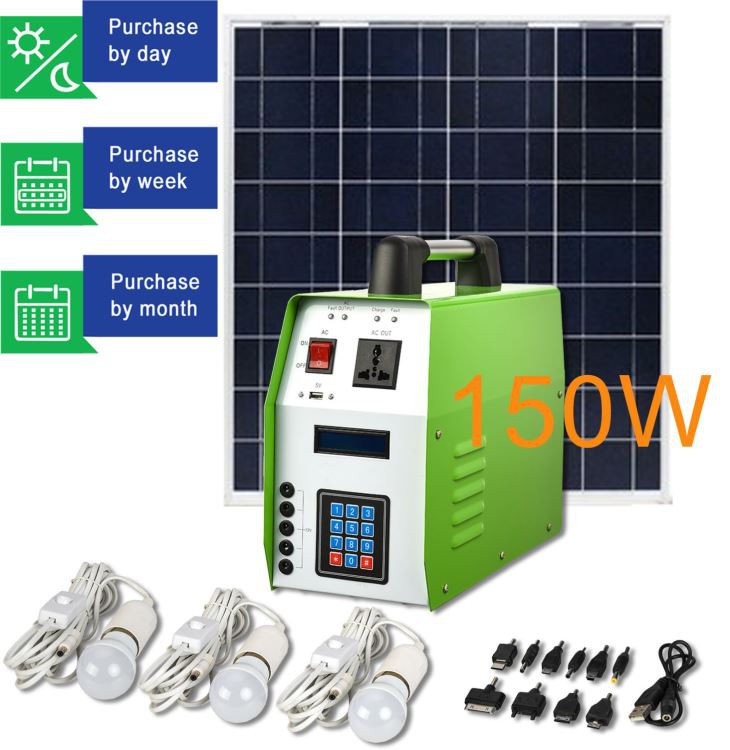
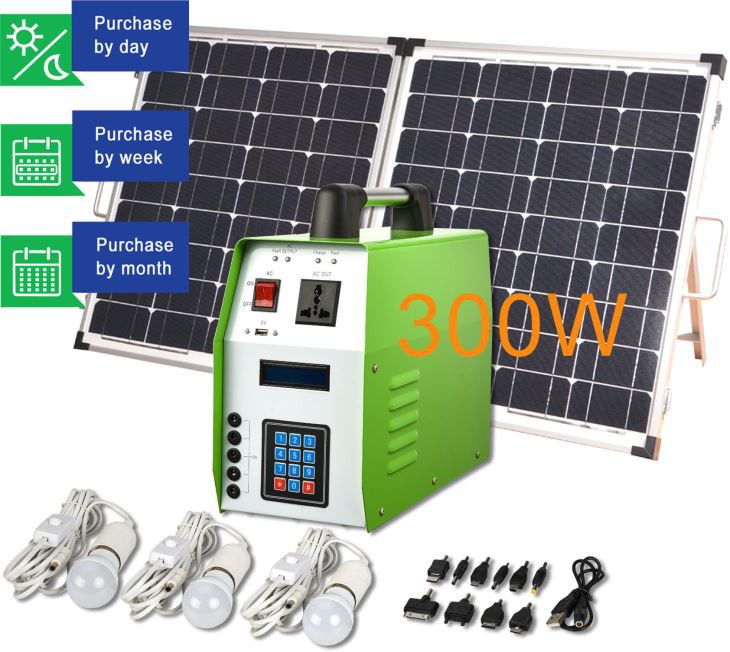
For solar power systems, this could mean that the solar panels have a high conversion efficiency, which means they can convert more sunlight into electricity. And for the batteries used in the systems, it could mean that they have a high charge - discharge efficiency, reducing energy losses during the storage and retrieval of energy.
In addition to these international certifications, local environmental certifications also play a big role. Different countries and regions have their own specific environmental requirements. For example, some areas might have strict regulations regarding water usage in manufacturing. A PAYG factory needs to make sure it complies with these local rules to avoid any legal troubles.
Getting these certifications isn't a walk in the park. It requires a lot of effort, time, and resources. You need to invest in the right equipment, train your staff, and make some changes to your manufacturing processes. But the benefits are well worth it.
From a business perspective, having these environmental certifications can open up new markets. Many large companies and government agencies only work with suppliers who have the necessary environmental credentials. It can also give you a competitive edge over other suppliers who might not have these certifications.
Moreover, it's the right thing to do for the planet. As a supplier for a PAYG factory, we have a responsibility to ensure that our products and processes have a minimal impact on the environment. By getting these certifications, we're contributing to a more sustainable future.
If you're in the market for high - quality, environmentally - friendly PAYG systems, I'd love to talk to you. Whether you're a distributor looking to expand your product line, or a customer looking for a reliable solar solution, we've got you covered. We take pride in our products that meet the highest environmental standards.
If you're interested in learning more about our products or have any questions regarding the environmental certifications, feel free to reach out. We're always happy to have a chat and see how we can work together to bring clean, affordable energy to more people.
References
- International Organization for Standardization (ISO). ISO 14001:2015 Environmental management systems — Requirements with guidance for use.
- European Union. Directive 2011/65/EU on the restriction of the use of certain hazardous substances in electrical and electronic equipment (RoHS).
- European Chemicals Agency. REACH Regulation (EC) No 1907/2006.
- U.S. Environmental Protection Agency. Energy Star Program Requirements.