

As a supplier to a PAYG (Pay As You Go) factory, I've witnessed firsthand the importance of stringent quality control measures in ensuring the reliability and performance of PAYG products. In this blog, I'll delve into the key quality control measures implemented in a PAYG factory, which are crucial for delivering high - quality products to customers.
Raw Material Inspection
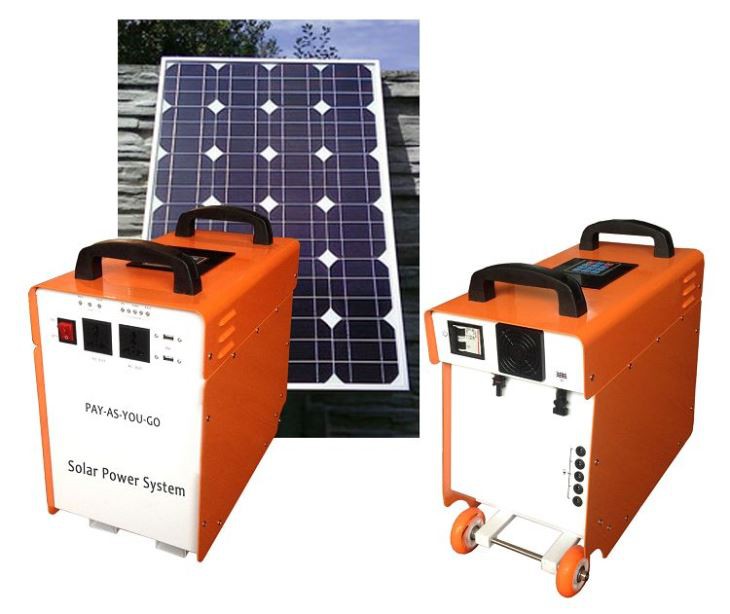
The foundation of quality in any manufacturing process lies in the quality of raw materials. In a PAYG factory, the inspection of raw materials is a critical first step. For instance, when sourcing components for Pay as You Go Portable Solar Power System, the solar panels, batteries, and control units need to be thoroughly examined.
Solar panels are inspected for their efficiency ratings, physical integrity, and resistance to environmental factors. We check for any visible defects such as cracks, scratches, or discoloration on the surface of the panels. Electrical performance tests are also conducted to ensure that the panels can generate the specified amount of power under standard test conditions.
Batteries, another vital component, are inspected for their capacity, voltage, and charge - discharge cycles. We perform chemical analysis to verify the purity of the battery materials and check for any signs of leakage or swelling. Only batteries that meet the strict quality standards set by the factory are used in the production process.
In - Process Quality Control
Once the raw materials pass the inspection, they enter the production line. In - process quality control is essential to catch any potential issues early in the manufacturing process. At each stage of production, quality control personnel conduct regular checks.
For example, during the assembly of Pay as You Go Home Solar Power System, workers are trained to follow strict assembly procedures. Quality control inspectors monitor the assembly process to ensure that all components are installed correctly and securely. They check for proper wiring connections, tightness of screws, and alignment of parts.
Functional tests are also carried out at various stages of production. For instance, after the installation of the control unit in a PAYG system, a series of electrical tests are performed to ensure that the unit can accurately monitor and control the power flow. Any malfunctioning units are immediately removed from the production line for further analysis and repair.
Product Testing
Before the final products leave the factory, they undergo a comprehensive battery of tests. These tests are designed to simulate real - world conditions and ensure that the PAYG products can perform reliably in different environments.
One of the key tests is the performance test. For Pay as You Go Solar Lighting System, the lighting output, color temperature, and uniformity of light distribution are measured. The system is also tested for its ability to charge during the day and provide sufficient lighting at night.

Environmental tests are also crucial. PAYG products are often used in diverse climates, so they need to be able to withstand extreme temperatures, humidity, and sunlight. Products are placed in environmental chambers where they are exposed to high and low temperatures, as well as varying levels of humidity. This helps to identify any potential issues such as component failure or degradation due to environmental factors.
In addition, safety tests are conducted to ensure that the products meet all relevant safety standards. Electrical safety tests check for proper grounding, insulation resistance, and protection against electric shock. Mechanical safety tests examine the structural integrity of the products to prevent any potential hazards such as falling parts or sharp edges.
Quality Management System
A well - established quality management system is the backbone of quality control in a PAYG factory. The factory adheres to international standards such as ISO 9001, which provides a framework for ensuring consistent quality in all aspects of the manufacturing process.
The quality management system includes procedures for document control, internal audits, and management reviews. All production processes are documented in detail, including the specifications, procedures, and quality requirements. This documentation helps to ensure that all employees follow the same standards and makes it easier to track and trace any quality issues.
Internal audits are conducted regularly to assess the effectiveness of the quality management system. These audits identify any areas for improvement and ensure that the factory is complying with all relevant regulations and standards. Management reviews are also held periodically to evaluate the overall performance of the quality control measures and make strategic decisions to enhance quality.
Supplier Quality Management
As a supplier to the PAYG factory, I understand the importance of maintaining a good relationship with the factory and meeting their quality requirements. The factory has a strict supplier evaluation and management system in place.
Before being approved as a supplier, I had to undergo a comprehensive evaluation process. The factory assessed my production capabilities, quality control measures, and financial stability. They also visited my facilities to inspect my production processes and quality management system.
Once approved, I am required to provide regular quality reports to the factory. These reports include information on the quality of the raw materials or components I supply, as well as any quality - related issues that have occurred. The factory also conducts periodic audits of my facilities to ensure that I am maintaining the same level of quality.
Continuous Improvement
Quality control is not a one - time effort but an ongoing process of continuous improvement. The PAYG factory is constantly looking for ways to enhance the quality of its products and processes.
Feedback from customers, employees, and suppliers is collected and analyzed regularly. Customer complaints are taken seriously, and the factory uses this information to identify areas for improvement. For example, if customers report issues with the battery life of a PAYG product, the factory will conduct further research and development to improve the battery technology or optimize the power management system.
The factory also invests in research and development to stay ahead of the curve in terms of technology and quality. New materials and manufacturing processes are constantly being explored to improve the performance, reliability, and safety of the PAYG products.
Conclusion
In conclusion, quality control measures in a PAYG factory are comprehensive and multi - faceted, covering everything from raw material inspection to product testing and continuous improvement. These measures are essential for ensuring that the PAYG products can meet the high expectations of customers and perform reliably in different environments.
If you are interested in purchasing high - quality PAYG products, we are here to serve you. Our strict quality control measures guarantee that you will receive products that are not only reliable but also safe and efficient. We welcome you to contact us for further details and to start a procurement negotiation.
References
- ISO 9001:2015 Quality management systems - Requirements
- Industry standards for solar power systems and lighting systems