

Hey there! I'm an architecture services provider offering a Pay - as - You - Go (PAYG) model. And today, I'm gonna dig into whether there are any PAYG models for architecture services.
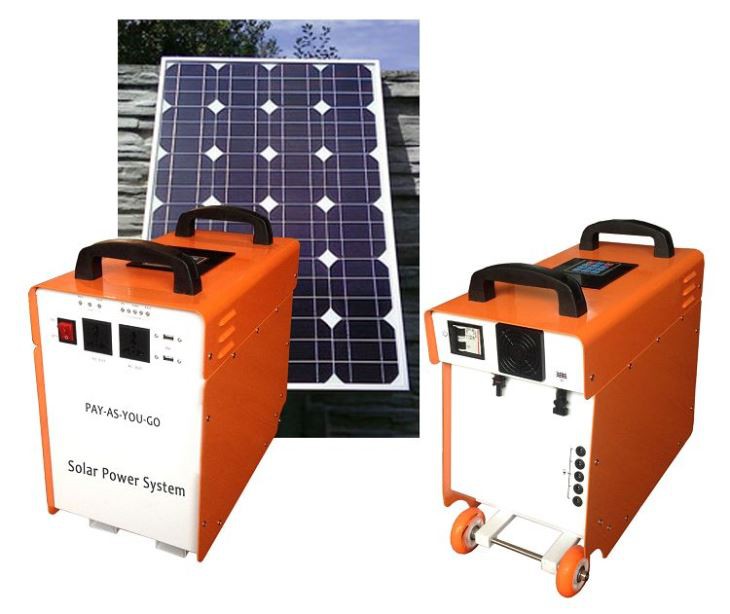
First off, let's quickly go over what a PAYG model is. You've probably heard of it in other industries. For example, Pay as You Go Home Solar Power System allows homeowners to pay for the solar energy they use in small, regular increments instead of making a huge upfront investment. Similarly, Pay as You Go Portable Solar Power System gives users the flexibility to pay for the power they consume on - the - go. And Pay as You Go Solar Lighting System makes it easier for people to afford solar lighting by spreading out the cost.

So, is there a place for PAYG in architecture services? You bet! Traditionally, architecture projects often require clients to shell out a large sum of money upfront. This can be a major roadblock, especially for small businesses, startups, or individuals with limited budgets. With a PAYG model, clients can access high - quality architecture services without breaking the bank all at once.
Let me break down how it works in the architecture world. Instead of paying a lump sum for the entire project, clients pay in stages based on the work completed. For instance, in the initial design phase, they pay for the concept development, site analysis, and preliminary sketches. Once the design is approved, they pay for the detailed design work, which includes structural plans, electrical layouts, and plumbing designs. And as the construction phase kicks off, they pay for on - site supervision, quality control, and any necessary design modifications.
One of the biggest advantages of the PAYG model is the flexibility it offers. Clients can start small and expand their projects as their financial situation improves. Say a small business wants to renovate its office space. They can start with a basic design and pay only for that. If they see an increase in revenue down the line, they can then add more features to the project and pay for the additional work. This way, they're not locked into a large - scale, expensive project from the get - go.
Another plus is the risk reduction. In a traditional architecture project, if something goes wrong, like a design flaw or a change in the client's requirements, the client has already paid a significant amount of money. With PAYG, since they're paying in stages, they can stop the project at any point without losing a fortune. This gives them more control over their investment.
Now, you might be thinking, "But how does this work for the architecture firm?" Well, as a PAYG architecture services provider, I've found that it actually builds stronger relationships with clients. By offering a more affordable and flexible payment option, I'm able to attract a wider range of clients. And because clients are paying as the work progresses, I get a steady cash flow, which helps me manage my business more effectively.
Moreover, it encourages transparency and communication. Since clients are paying based on the work completed, they're more involved in the process. They can see exactly what they're paying for and provide feedback at each stage. This ensures that the final result meets their expectations.
But like any business model, the PAYG model for architecture services also has its challenges. One of the main issues is setting clear payment terms. It's crucial to define what each payment stage includes and how much it costs. There can't be any ambiguity, or it can lead to disputes between the client and the architecture firm.
Another challenge is estimating the project timeline accurately. Since the payments are tied to the work completed, any delays can affect the cash flow for both the client and the firm. So, it's important to have a detailed project plan and to keep the client informed about any potential delays.
Despite these challenges, I truly believe that the PAYG model has a bright future in the architecture industry. It's a win - win situation for both clients and architecture firms. Clients get access to quality architecture services without a large upfront investment, and firms can attract more clients and manage their finances better.
If you're considering an architecture project but are worried about the cost, the PAYG model might be the perfect solution for you. Whether you're a small business owner looking to renovate your office, an individual planning to build your dream home, or a developer working on a large - scale project, we can tailor a PAYG plan that suits your needs.
So, if you're interested in learning more about our PAYG architecture services, don't hesitate to reach out. We'd love to have a chat with you, understand your project requirements, and come up with a payment plan that works for you. Let's start creating amazing architectural spaces together!
References
- General knowledge of architecture project management
- Industry insights on payment models in architecture