

Over the past few decades, the solar energy sector has witnessed remarkable advancements, with Pay-As-You-Go (PAYG) solar technology emerging as a game - changer, especially in regions with limited access to traditional energy sources. As a PAYG solar supplier, I've had the privilege of witnessing firsthand how this technology has evolved, and I'm excited to share its journey with you.
The Early Days of PAYG Solar Technology
The concept of PAYG solar technology was born out of necessity. In many developing regions, the high upfront cost of solar systems was a significant barrier to adoption. Households and small businesses simply couldn't afford to pay the large sums required to purchase a solar power system outright. This led to the development of the PAYG model, which allows customers to pay for solar energy in small, affordable installments.
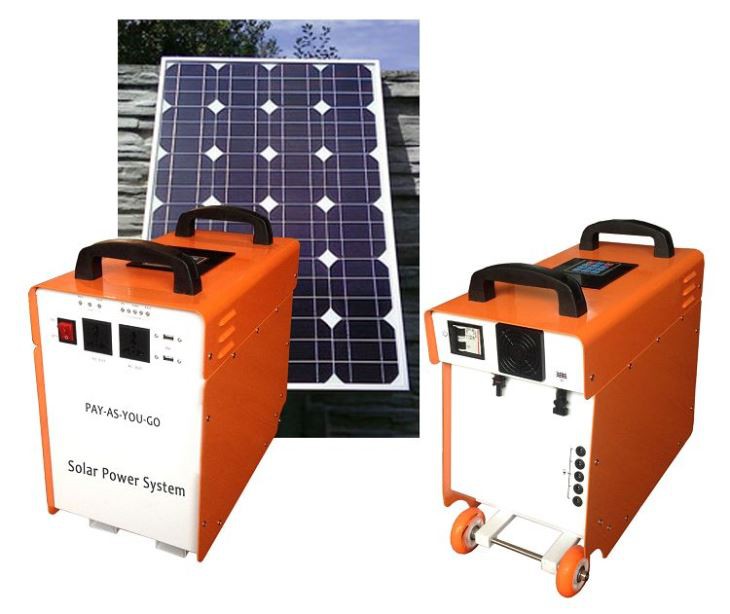
In the early days, PAYG solar systems were relatively basic. They typically consisted of small - scale solar panels, a battery for energy storage, and a few basic electrical appliances such as lights and mobile phone chargers. The technology used for metering and payment collection was also rudimentary. Customers would often use scratch cards or recharge tokens to top - up their energy credit, and the systems were manually managed by local agents.
One of the key challenges during this period was ensuring the reliability of the systems. Solar panels were less efficient, and batteries had a shorter lifespan. Moreover, the lack of a standardized payment infrastructure made it difficult to scale the business. However, these early efforts laid the foundation for future innovation.
Technological Advancements in Solar Panels
One of the most significant factors contributing to the evolution of PAYG solar technology has been the continuous improvement in solar panel efficiency. In the early days, solar panels had an efficiency rate of around 15 - 18%. Today, thanks to advancements in materials science and manufacturing processes, commercial solar panels can achieve efficiencies of over 22%.
This increase in efficiency means that PAYG solar systems can generate more electricity from the same amount of sunlight. As a result, customers can power more appliances and enjoy a higher quality of energy service. For example, modern PAYG solar systems can now support larger - capacity refrigerators, televisions, and even small - scale farming equipment.
Another important development is the improvement in the durability of solar panels. Newer panels are designed to withstand harsh environmental conditions, such as extreme temperatures, high humidity, and strong winds. This has extended the lifespan of solar panels from around 15 - 20 years to 25 - 30 years, reducing the long - term cost of ownership for customers.
Innovations in Energy Storage
Energy storage is a critical component of any solar power system, and PAYG solar is no exception. In the early days, lead - acid batteries were the norm. While they were relatively inexpensive, they had several drawbacks, including a limited number of charge - discharge cycles, a large physical footprint, and the need for regular maintenance.
In recent years, there has been a shift towards lithium - ion batteries. These batteries offer several advantages over lead - acid batteries. They have a higher energy density, which means they can store more energy in a smaller space. They also have a longer lifespan, with some lithium - ion batteries capable of enduring over 5000 charge - discharge cycles.
In addition, lithium - ion batteries are more efficient, with a higher charge - discharge efficiency rate. This means that less energy is wasted during the charging and discharging process, resulting in more usable energy for the customer. Some PAYG solar systems now also incorporate smart battery management systems, which can optimize the charging and discharging process based on the customer's energy usage patterns.
Digitalization and Remote Management
The digital revolution has had a profound impact on the evolution of PAYG solar technology. Today, most PAYG solar systems are equipped with smart meters and communication modules that allow for real - time monitoring and management.
Customers can now use mobile apps to monitor their energy consumption, check their account balance, and make payments. This has made the payment process more convenient and transparent. For example, customers can receive notifications when their energy credit is running low and can top - up their account with just a few taps on their mobile phone.
On the supplier side, remote management systems enable us to monitor the performance of each system in real - time. We can detect faults and issues early, and in many cases, we can even remotely diagnose and fix problems without having to send a technician to the customer's location. This has significantly reduced the maintenance cost and improved the overall reliability of the systems.
Expansion of Service Offerings
As PAYG solar technology has evolved, so has the range of services offered by suppliers. In addition to the basic solar power systems, many suppliers now offer a comprehensive suite of energy services.
For example, some suppliers provide energy - efficiency consulting services to help customers optimize their energy usage. This can include advice on using energy - efficient appliances, adjusting usage patterns, and improving the insulation of their homes. Other suppliers offer financing options for larger - scale solar installations, such as for small businesses or community projects.
We also see the integration of PAYG solar technology with other renewable energy sources, such as wind and hydro power. This hybrid approach can provide a more stable and reliable energy supply, especially in regions with variable weather conditions.
The Role of Big Data and Analytics
Big data and analytics have become increasingly important in the PAYG solar industry. By collecting and analyzing data from thousands of solar systems, suppliers can gain valuable insights into customer behavior, energy consumption patterns, and system performance.
For example, data analytics can help us predict when a customer is likely to run out of energy credit, allowing us to send timely reminders. It can also help us identify areas where system performance can be improved. By analyzing data on solar panel efficiency, battery health, and energy consumption, we can optimize the design and operation of our systems.
Moreover, big data can be used to assess the creditworthiness of customers. In regions where traditional credit scoring systems are lacking, analyzing a customer's energy payment history and usage patterns can provide valuable information for risk assessment. This enables suppliers to offer more tailored payment plans and expand access to energy for underserved populations.
The Future of PAYG Solar Technology
Looking ahead, the future of PAYG solar technology looks promising. We can expect to see further advancements in solar panel efficiency, energy storage, and digital management systems.
One area of potential growth is the integration of PAYG solar technology with the Internet of Things (IoT). This could enable even more intelligent energy management, with solar systems automatically adjusting their operation based on real - time data from smart home devices, weather forecasts, and grid conditions.
Another trend is the expansion of PAYG solar into new markets. As the technology becomes more affordable and reliable, we can expect to see increased adoption in urban areas, as well as in developed countries. PAYG solar can offer a cost - effective and sustainable energy solution for renters, small businesses, and off - grid communities around the world.
Conclusion
The evolution of PAYG solar technology has been a remarkable journey. From its humble beginnings as a basic energy solution for off - grid households, it has grown into a sophisticated and scalable technology that is transforming the way people access and use energy.
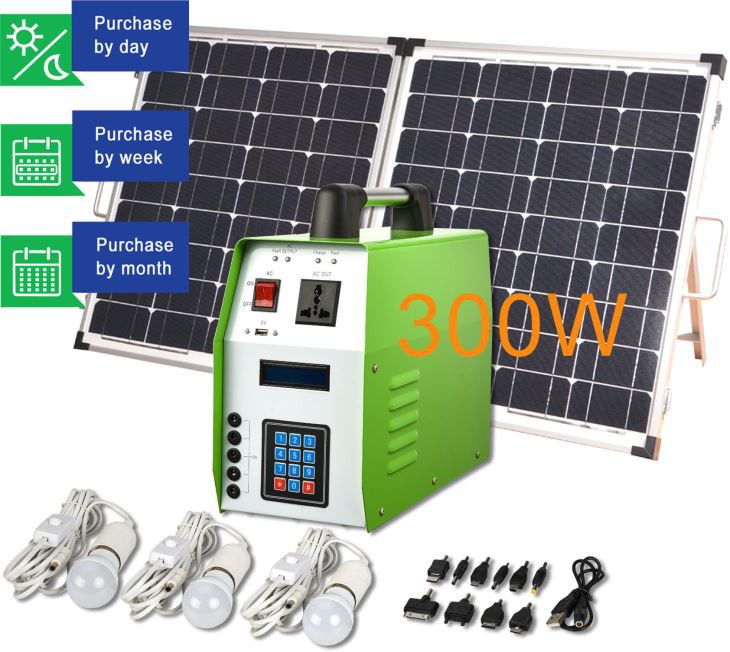
As a PAYG solar supplier, I'm proud to be part of this industry. We offer a range of high - quality PAYG solar products, including Pay as You Go Portable Solar Power System, Pay as You Go Home Solar Power System, and Pay as You Go Solar Lighting System.
If you're interested in learning more about our PAYG solar solutions or would like to discuss a potential procurement, please don't hesitate to reach out. We're committed to providing our customers with the best possible energy service and look forward to partnering with you to create a more sustainable future.
References
- International Renewable Energy Agency (IRENA). "Renewable Energy Market Analysis: Pay - as - You - Go Solar".
- Solar Energy Industries Association (SEIA). "Advancements in Solar Technology".
- Journal of Renewable and Sustainable Energy. Various articles on solar panel efficiency and energy storage.