

In the dynamic landscape of modern manufacturing, ensuring worker safety is not just a moral obligation but a strategic necessity. As a supplier to PAYG (Pay As You Go) factories, I've witnessed firsthand the multifaceted approach these factories take to safeguard their workforce. PAYG factories, which often deal with the production of Pay as You Go Home Solar Power System, Pay as You Go Solar Lighting System, and Pay as You Go Portable Solar Power System, operate in an environment where various risks are present. In this blog, I'll delve into the key strategies and practices that PAYG factories employ to ensure the well - being of their workers.
Risk Assessment and Management
The first step in ensuring worker safety is a comprehensive risk assessment. PAYG factories conduct regular and detailed evaluations of their workplaces to identify potential hazards. These hazards can range from physical risks such as moving machinery and electrical equipment to chemical risks associated with the materials used in the production of solar power systems.
Once the hazards are identified, the factories develop risk management plans. For example, if a particular machine poses a risk of entanglement, guards are installed to prevent workers from coming into contact with moving parts. In the case of chemical hazards, proper ventilation systems are put in place to reduce the concentration of harmful fumes in the air. The risk management plans also include emergency response procedures in case of accidents, such as fires or chemical spills.
Training and Education
Training is a cornerstone of worker safety in PAYG factories. New employees undergo extensive on - the - job training programs that cover safety procedures, equipment operation, and emergency response. These training programs are not one - time events; they are ongoing and are updated regularly to reflect changes in technology, regulations, and best practices.

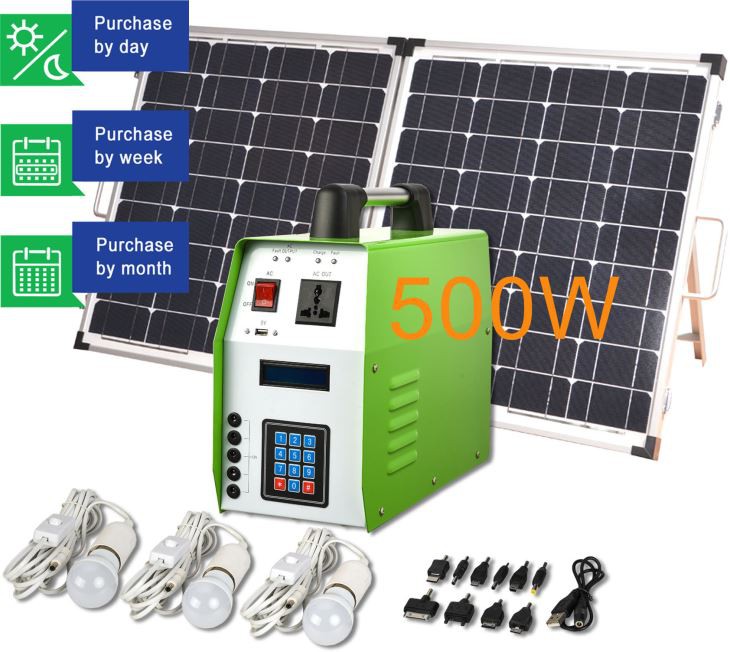
For instance, workers are trained on how to safely handle and store the batteries used in Pay as You Go Portable Solar Power System. They learn about the potential risks associated with battery leakage, overheating, and short - circuits, and are taught the proper procedures for handling and disposing of batteries.
Additionally, safety education is integrated into the daily operations of the factory. Safety meetings are held regularly to discuss safety issues, share safety tips, and reinforce the importance of following safety protocols. Workers are encouraged to report any safety concerns they observe, and the factory management takes prompt action to address these concerns.
Personal Protective Equipment (PPE)
PAYG factories provide workers with appropriate personal protective equipment. The type of PPE required depends on the nature of the work being performed. For example, workers handling sharp tools or working with heavy machinery are provided with safety glasses, gloves, and hard hats. Those working in areas with a risk of chemical exposure are given protective suits, respirators, and goggles.
The factories ensure that the PPE is of high quality and is properly maintained. Regular inspections are carried out to check the condition of the PPE, and any damaged or worn - out equipment is replaced immediately. Workers are also trained on how to correctly use and maintain their PPE to ensure its effectiveness.
Workplace Design and Layout
The design and layout of the workplace play a crucial role in worker safety. PAYG factories are designed to minimize the risk of accidents and injuries. For example, workstations are arranged in a way that allows for easy movement of workers and materials, reducing the risk of collisions and tripping hazards.
Adequate lighting is provided throughout the factory to ensure that workers can clearly see what they are doing. This is especially important in areas where precision work is required, such as the assembly of Pay as You Go Solar Lighting System components.
The factories also have clearly marked emergency exits and evacuation routes. These routes are regularly inspected to ensure that they are unobstructed and that workers are familiar with them. In addition, safety signs and labels are used to indicate potential hazards and to provide instructions on safety procedures.
Health and Well - being Programs
Worker safety extends beyond physical protection from accidents. PAYG factories also focus on the overall health and well - being of their employees. They offer health and wellness programs that include regular medical check - ups, stress management workshops, and ergonomic assessments.
Medical check - ups help to detect any health problems early, especially those related to occupational hazards. For example, workers exposed to high levels of noise may be screened for hearing loss. Stress management workshops are important as the production environment can be stressful, and stress can have a negative impact on worker safety and productivity. Ergonomic assessments are carried out to ensure that workstations are designed to minimize the risk of musculoskeletal disorders, such as back pain and carpal tunnel syndrome.
Safety Culture
Perhaps the most important aspect of ensuring worker safety in PAYG factories is the development of a strong safety culture. A safety culture is an environment where safety is valued, respected, and integrated into every aspect of the factory's operations.
In a factory with a strong safety culture, workers feel empowered to speak up about safety issues without fear of retaliation. Management leads by example, following safety procedures themselves and encouraging workers to do the same. Safety performance is recognized and rewarded, and safety goals are set and monitored at all levels of the organization.
Supplier - Factory Collaboration
As a supplier to PAYG factories, I play an important role in ensuring worker safety. I work closely with the factories to provide them with high - quality materials and components that meet safety standards. For example, I supply electrical components that are tested for electrical safety and are compliant with relevant regulations.
I also participate in safety - related discussions with the factory management. I share information about any potential safety issues associated with the materials I supply and work with the factory to develop solutions. This collaboration helps to ensure that the products produced in the factory are not only safe for the end - users but also for the workers involved in the production process.
Regulatory Compliance
PAYG factories are subject to a wide range of safety regulations at the local, national, and international levels. These regulations cover areas such as workplace safety, environmental protection, and product safety. The factories make it a priority to comply with these regulations to ensure the safety of their workers and the quality of their products.
Compliance with regulations is not just about avoiding fines and penalties; it is about doing the right thing. By complying with safety regulations, PAYG factories demonstrate their commitment to the well - being of their workers and the protection of the environment.
Continuous Improvement
Worker safety is an ongoing process of continuous improvement. PAYG factories regularly review and evaluate their safety performance. They collect data on accidents, near - misses, and safety violations, and use this data to identify areas for improvement.
Based on the analysis of the data, the factories implement corrective actions and preventive measures. For example, if there is a high number of accidents in a particular area of the factory, the factory management may conduct a more in - depth risk assessment and implement additional safety measures.
Conclusion
In conclusion, PAYG factories take a comprehensive and proactive approach to ensure worker safety. Through risk assessment, training, the provision of personal protective equipment, workplace design, health and well - being programs, and the development of a strong safety culture, these factories create a safe working environment for their employees.
As a supplier, I am proud to be part of this effort. I believe that by working together, we can continue to improve worker safety in the production of Pay as You Go Home Solar Power System, Pay as You Go Solar Lighting System, and Pay as You Go Portable Solar Power System.
If you are interested in collaborating with us for the procurement of high - quality solar power systems, we invite you to reach out for further discussions. We are committed to providing not only safe and reliable products but also a partnership based on trust and mutual benefit.
References
- Occupational Safety and Health Administration (OSHA) guidelines
- International Labour Organization (ILO) safety standards
- Industry reports on solar power system production safety