

How does PAYG work for airline tickets?
In the ever - evolving landscape of travel and finance, Pay - as - You - Go (PAYG) models have emerged as a revolutionary approach, especially when it comes to airline tickets. As a PAYG supplier, I've witnessed firsthand the transformation this payment method brings to the airline ticket purchasing process.
Understanding the PAYG Concept
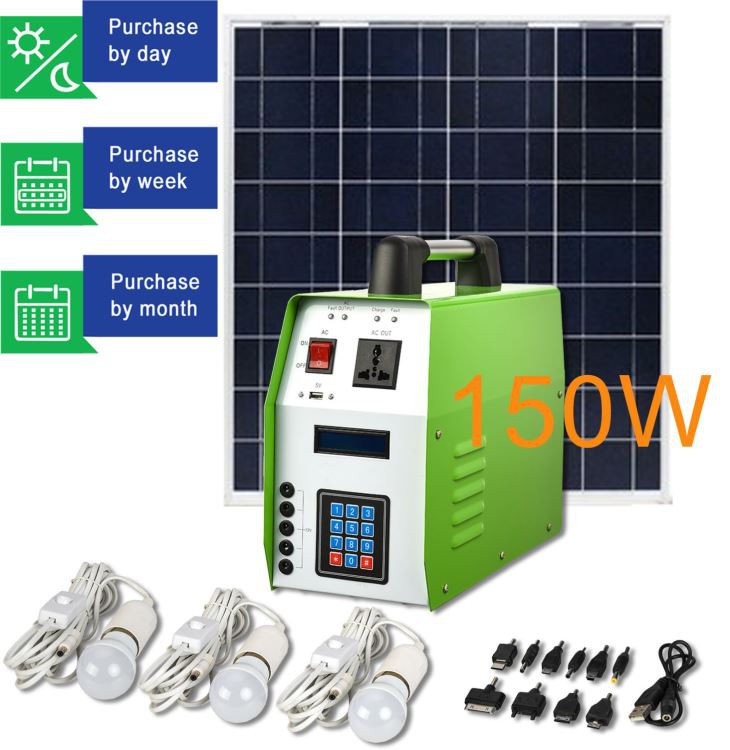
PAYG is a payment model where customers pay for a service or product in installments, based on their usage or at pre - determined intervals, rather than making a large upfront payment. This model has been successfully applied in various industries, such as the energy sector. For instance, you can find Pay as You Go Home Solar Power System, Pay as You Go Portable Solar Power System, and Pay as You Go Solar Lighting System. In these cases, consumers pay for the energy they use or the service provided by the solar systems over time, which makes the technology more accessible and affordable.
Applying PAYG to Airline Tickets
When it comes to airline tickets, the PAYG model offers a similar advantage. Traditionally, purchasing an airline ticket requires travelers to pay the full fare upfront. This can be a significant financial burden, especially for long - haul or premium tickets. With PAYG, travelers can break down the cost of the ticket into smaller, more manageable payments.
Initial Reservation
The process typically starts when a traveler finds a suitable flight. Instead of paying the entire fare, they make a relatively small reservation fee. This fee secures their seat on the flight and initiates the PAYG payment plan. The amount of the reservation fee may vary depending on the airline, the route, and the total cost of the ticket. It could range from a flat fee of $20 - $50 or a percentage of the total ticket price, say 10% - 20%.
Payment Schedule
Once the reservation is made, the traveler will be presented with a payment schedule. This schedule outlines the remaining payments that need to be made before the departure date. The number of payments and the intervals between them can be customized based on the traveler's preferences and the policies of the PAYG provider. For example, a traveler may choose to make weekly, bi - weekly, or monthly payments.
The payment intervals are designed to fit into the traveler's budget. For someone with a stable monthly income, monthly payments might be the most convenient option. On the other hand, a freelancer or someone with irregular income might prefer a more flexible payment schedule, such as bi - weekly payments to align with their earnings.
Technology and Security
One of the key components of the PAYG system for airline tickets is the technology infrastructure that supports it. Our company, as a PAYG supplier, uses advanced payment gateways and digital platforms to manage the payment process. These platforms ensure the security of the traveler's financial information. When a payment is due, the system will send automated reminders to the traveler via email or text message.

The payment gateways are equipped with the latest encryption technology to protect against fraud and unauthorized access. This gives travelers peace of mind knowing that their financial transactions are secure. Additionally, the digital platform keeps track of all payments made, providing travelers with a detailed payment history that they can access at any time.
Benefits for Travelers
Financial Flexibility
The most obvious benefit for travelers is the financial flexibility that PAYG offers. Instead of having to come up with a large sum of money all at once, they can spread the cost of the ticket over a period of time. This makes it easier for travelers on a tight budget to afford flights to their desired destinations. For example, a student who wants to visit their family overseas during the holidays can now book a flight without having to rely on large - scale borrowing or exhausting their savings.
Reduced Financial Risk
PAYG also reduces the financial risk for travelers. If, for some unforeseen reason, they are unable to take the flight, they may not lose the entire ticket price. The amount of non - refundable fees is usually limited to the payments already made. In contrast, with traditional ticket purchases, travelers often face significant penalties if they need to cancel or change their flights close to the departure date.
Benefits for Airlines
Increased Sales
Airlines can benefit from the PAYG model by increasing their sales. By making tickets more accessible to a wider range of customers, airlines can attract more travelers who may have otherwise been deterred by the high upfront cost. This can lead to higher load factors on flights, which in turn can increase the airline's revenue.
Customer Loyalty
Offering a PAYG option can also enhance customer loyalty. Travelers who have a positive experience with the PAYG payment method are more likely to choose the same airline for future trips. This long - term relationship can be valuable for airlines, as it reduces the cost of acquiring new customers and helps build a stable customer base.
Challenges and Solutions
Default Risk
One of the main challenges of the PAYG model for airline tickets is the risk of travelers defaulting on their payments. If a traveler fails to make a payment on time, it can disrupt the payment schedule and potentially lead to the cancellation of the ticket. To mitigate this risk, PAYG suppliers work closely with airlines to establish clear policies regarding late payments.
For example, if a payment is late, the traveler may be charged a late fee. If the payment is not made within a certain grace period, the airline may re - claim the seat and issue a partial refund based on the amount of payments already made. Additionally, our company as a PAYG supplier may use credit checks or other risk assessment tools to evaluate the likelihood of a traveler defaulting before offering them a PAYG payment plan.
Integration with Airlines
Another challenge is the integration of the PAYG system with the existing reservation and ticketing systems of airlines. This requires significant technical expertise and cooperation between the PAYG supplier and the airline. Our company has a team of experienced IT professionals who work closely with airlines to ensure a seamless integration. This includes developing APIs (Application Programming Interfaces) that allow the two systems to communicate effectively and share data in real - time.
Future Outlook
The future of the PAYG model for airline tickets looks promising. As more travelers become aware of the benefits of this payment method, the demand for PAYG options is likely to increase. In addition, advancements in technology will continue to improve the efficiency and security of the PAYG system.
We also expect to see more airlines partnering with PAYG suppliers to offer this payment option to their customers. This will further expand the availability of PAYG for airline tickets and make it a more mainstream payment method in the travel industry.
Conclusion
In conclusion, the PAYG model for airline tickets offers a win - win solution for both travelers and airlines. Travelers gain financial flexibility and reduced risk, while airlines can increase their sales and customer loyalty. As a PAYG supplier, we are committed to providing a secure and convenient payment solution that meets the needs of both parties.
If you are interested in learning more about our PAYG services for airline tickets or would like to discuss potential partnerships, please feel free to reach out. We look forward to working with you to make air travel more accessible and affordable.
References
- Industry reports on alternative payment methods in the travel industry
- Research papers on consumer behavior and financial flexibility in travel purchasing
- Internal data from our company's operations as a PAYG supplier