

Hey there! I'm a supplier in the solar power game, and I often get asked about the environmental impact of manufacturing solar panels. It's a hot topic, and rightfully so. We're all trying to find ways to be more eco - friendly, and solar power seems like a no - brainer. But what's really going on behind the scenes when these panels are being made?
Let's start with the raw materials. The main ingredient in most solar panels is silicon. Silicon is the second - most abundant element in the Earth's crust, which is a plus. But extracting and purifying it isn't a walk in the park. The process of getting high - purity silicon involves a lot of energy. You've got to heat up the raw silicon to super - high temperatures, and that usually means burning fossil fuels, at least in some parts of the world. This releases greenhouse gases like carbon dioxide into the atmosphere.
The manufacturing of silicon wafers, which are the building blocks of solar cells, also requires some pretty harsh chemicals. Hydrofluoric acid and nitric acid are commonly used for cleaning and etching the wafers. These chemicals can be dangerous if not handled properly. If they're released into the environment, they can contaminate water sources and harm wildlife.
Another aspect is the energy used during the entire manufacturing process. From the mining of raw materials to the assembly of the final panel, a significant amount of electricity is consumed. In regions where the electricity grid is still heavily reliant on coal or natural gas, this means that the production of solar panels has a relatively high carbon footprint at the start.
But it's not all doom and gloom. Once a solar panel is up and running, it starts to pay back that initial environmental debt. Solar panels generate clean, renewable energy. They don't produce any greenhouse gases while they're converting sunlight into electricity. In fact, over their lifetime, most solar panels can generate far more energy than was used to manufacture them.
Let's talk about the numbers. On average, a solar panel can pay back the energy it took to make it in about 1 - 4 years, depending on the location and the type of panel. After that, it's all free and clean energy for the rest of its 25 - 30 - year lifespan. That's a pretty good deal when you think about it.

When it comes to waste management, solar panels do pose a challenge. At the end of their useful life, they need to be disposed of properly. Most solar panels contain small amounts of heavy metals like lead and cadmium. If these panels end up in landfills, there's a risk that these metals could leach into the soil and groundwater.
However, the good news is that there are recycling programs emerging. These programs aim to recover valuable materials from old solar panels, like silicon and aluminum. Recycling not only reduces the environmental impact but also helps to cut down on the need for new raw materials.
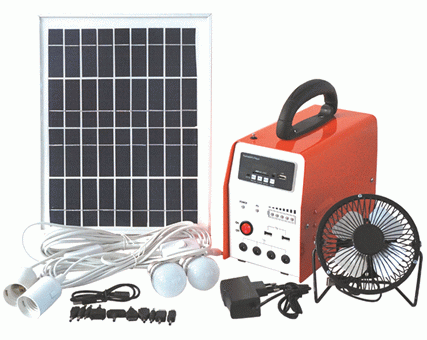
Now, let's get to the products we offer. We've got some really cool Solar Linghting System that are not only energy - efficient but also environmentally friendly. Our Mini Solar Lighting System is perfect for small - scale applications, like garden lighting or camping. And if you're looking for something with a bit more functionality, check out our Solar Lighting System w/Radio.
We're committed to reducing the environmental impact of our products. We work with manufacturers who are constantly improving their production processes to use less energy and fewer harmful chemicals. We also support recycling initiatives to make sure that our products have a minimal impact on the environment even at the end of their life.
If you're interested in learning more about our solar power products or have any questions about the environmental impact of solar panels, don't hesitate to reach out. Whether you're a homeowner looking to go solar or a business owner wanting to cut down on energy costs, we've got solutions for you.
In conclusion, while the manufacturing of solar panels does have some environmental challenges, the long - term benefits far outweigh the initial drawbacks. Solar power is still one of the best ways to reduce our reliance on fossil fuels and combat climate change. So, let's embrace this clean energy source and work together to make our planet a better place.
References:
- "Solar Photovoltaic Technology: A Sustainable Energy Solution" by International Renewable Energy Agency
- "Life Cycle Assessment of Solar Panels" by National Renewable Energy Laboratory