

Hey there! As a solar fan supplier, I often get asked about the maximum power capacity of solar fans. It's a pretty hot topic, pun intended, especially with more and more people looking to go green and save on energy costs. So, let's dive right in and explore what determines the maximum power capacity of a solar fan.
Understanding Solar Fan Basics
First off, let's talk a bit about how solar fans work. These nifty devices convert sunlight into electricity using solar panels. The solar panels are made up of photovoltaic cells that absorb sunlight and generate direct current (DC) electricity. This electricity is then used to power the fan motor, making the blades spin and creating a cooling breeze.
The power capacity of a solar fan is measured in watts. Simply put, the wattage tells you how much power the fan can consume or produce. A higher wattage generally means a more powerful fan that can move more air. But it also means the fan will need a larger solar panel to generate enough electricity to run efficiently.
Factors Affecting Power Capacity
There are several factors that can affect the maximum power capacity of a solar fan. Let's take a look at some of the most important ones:
Solar Panel Size and Efficiency
The size and efficiency of the solar panel are crucial in determining how much power the fan can generate. A larger solar panel will typically be able to absorb more sunlight and produce more electricity. However, the efficiency of the panel also plays a big role. High - efficiency solar panels can convert a greater percentage of sunlight into electricity, even in low - light conditions.
For example, if you have a small solar panel with low efficiency, it might not be able to generate enough power to run a high - wattage fan, especially on cloudy days. On the other hand, a large, high - efficiency solar panel can power a more powerful fan consistently, regardless of the weather conditions.
Fan Motor Design
The design of the fan motor also affects its power capacity. Some motors are more energy - efficient than others. A well - designed motor can use less power to achieve the same level of performance as a less efficient one. This means that a fan with an energy - efficient motor can operate with a smaller solar panel or in lower light conditions.
For instance, a brushless DC motor is often more efficient than a traditional brushed motor. Brushless motors have fewer moving parts, which reduces friction and energy loss. As a result, they can run on less power while still providing a strong airflow.
Battery Storage
Many solar fans come with a battery storage system. The battery allows the fan to run even when there is no sunlight, such as at night or on overcast days. The capacity of the battery also impacts the overall power capacity of the fan. A larger battery can store more electricity, which means the fan can run for a longer period without sunlight.
However, it's important to note that the battery also needs to be charged by the solar panel. So, if the solar panel is too small or inefficient, it might not be able to fully charge the battery, limiting the fan's operation time.
Calculating Maximum Power Capacity
So, how do you calculate the maximum power capacity of a solar fan? Well, it's not as complicated as it might seem. You can start by looking at the wattage rating of the fan motor. This rating tells you how much power the fan consumes when it's running at full speed.
Next, you need to consider the power output of the solar panel. The power output of a solar panel is usually measured in peak watts. This is the maximum amount of power the panel can produce under ideal conditions, such as direct sunlight at noon on a clear day.
To ensure that the solar panel can power the fan efficiently, you should choose a panel with a power output that is at least equal to or greater than the wattage rating of the fan motor. For example, if your fan motor has a wattage rating of 20 watts, you should look for a solar panel with a peak power output of at least 20 watts.
However, keep in mind that real - world conditions are rarely ideal. Sunlight intensity can vary throughout the day and from season to season. So, it's a good idea to choose a solar panel with a slightly higher power output than the fan's wattage rating to account for these variations.
Different Types of Solar Fans and Their Power Capacities
There are various types of solar fans available on the market, each with its own power capacity. Let's take a look at some common types:
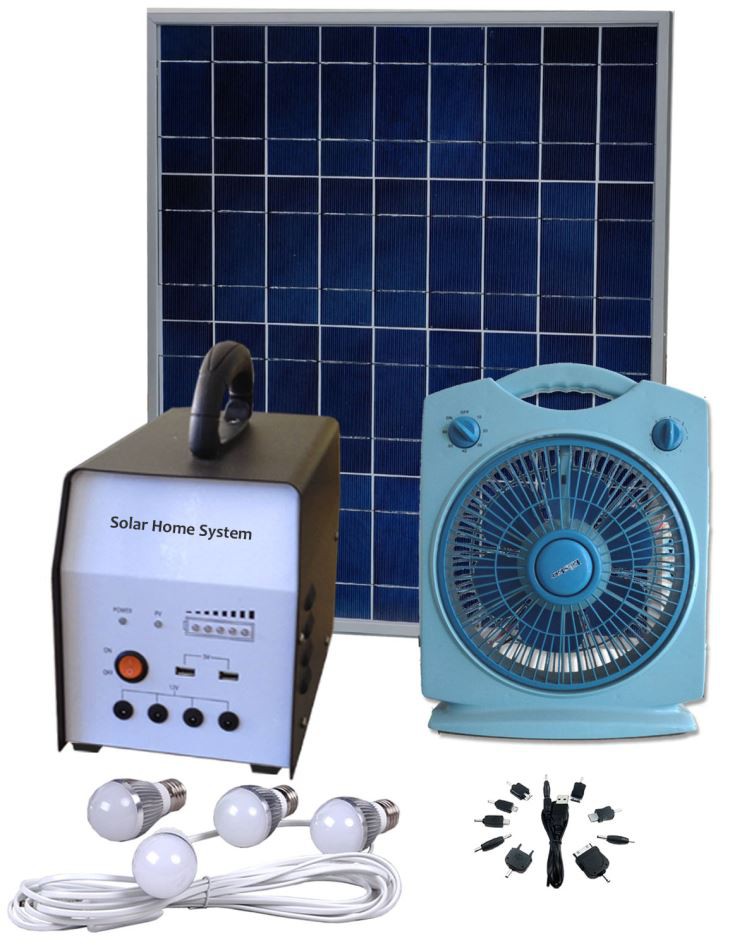

Portable Solar Fans
Portable solar fans are designed for easy transport and use in outdoor settings, such as camping or picnics. These fans typically have a lower power capacity, usually ranging from 1 - 5 watts. They are often powered by small, lightweight solar panels and may not come with a large battery storage system.
Roof - Mounted Solar Fans
Roof - mounted solar fans are commonly used to ventilate attics and other enclosed spaces. These fans can have a higher power capacity, ranging from 10 - 50 watts or more. They are usually equipped with larger solar panels to generate enough power to run the fan continuously.
Industrial Solar Fans
Industrial solar fans are used in large - scale applications, such as warehouses or factories. These fans can have extremely high power capacities, sometimes exceeding 100 watts. They require large, high - efficiency solar panels and may be connected to a complex battery storage system to ensure continuous operation.
Our Product Range
As a solar fan supplier, we offer a wide range of solar fans with different power capacities to meet the needs of our customers. Whether you're looking for a small portable fan for your outdoor adventures or a high - powered industrial fan for your business, we've got you covered.
We also offer related products like the Mini Solar Lighting System, Solar Linghting System, and Home Solar Light Kit. These products are designed to work in harmony with our solar fans, providing you with a complete solar - powered solution for your home or business.
Why Choose Our Solar Fans?
Our solar fans are not only energy - efficient but also built to last. We use high - quality materials and advanced technology to ensure that our fans can withstand harsh weather conditions and provide reliable performance for years to come.
In addition, our team of experts is always available to help you choose the right solar fan for your needs. We can provide you with detailed information about the power capacity, installation requirements, and maintenance tips for each of our products.
Contact Us for Purchasing
If you're interested in purchasing our solar fans or any of our related products, we'd love to hear from you. Whether you're a homeowner looking to cool your attic or a business owner in need of industrial - grade ventilation, we can offer you the perfect solution. Just reach out to us, and our sales team will be happy to assist you with your purchase. We can discuss your specific requirements, provide you with a quote, and guide you through the entire purchasing process.
References
- Solar Energy International. (2023). Photovoltaic Basics.
- Fan Manufacturers Association. (2023). Fan Motor Efficiency Standards.
- Battery Council International. (2023). Battery Storage for Renewable Energy Systems.